

If someone has been thinking about straightening their teeth without traditional braces, one of the first questions is usually simple: How much does Invisalign cost in Portland, OR? The honest answer is that the price can vary quite a bit from person to person. Clear aligner treatment is customized, and the total cost depends on the complexity of the case, how long treatment takes, whether refinements are needed, and what insurance or payment options are available.
For many patients, Invisalign is not just about appearance. Straighter teeth can be easier to clean, may improve bite balance, and can help some people feel more confident when they smile, speak, or take photos. Still, cost matters, and patients deserve a clear explanation before making a decision.
This guide breaks down the main factors that influence Invisalign pricing in Portland, what may or may not be included in a quote, and how patients can prepare for a consultation at a local dental office such as East Burn Dentistry & Implants.
Disclaimer: This article is for general educational purposes only and should not replace personalized dental advice. Invisalign candidacy, treatment time, risks, and cost can only be determined after an examination and consultation with a qualified dental professional.
What Is the Average Invisalign Cost in Portland, OR?
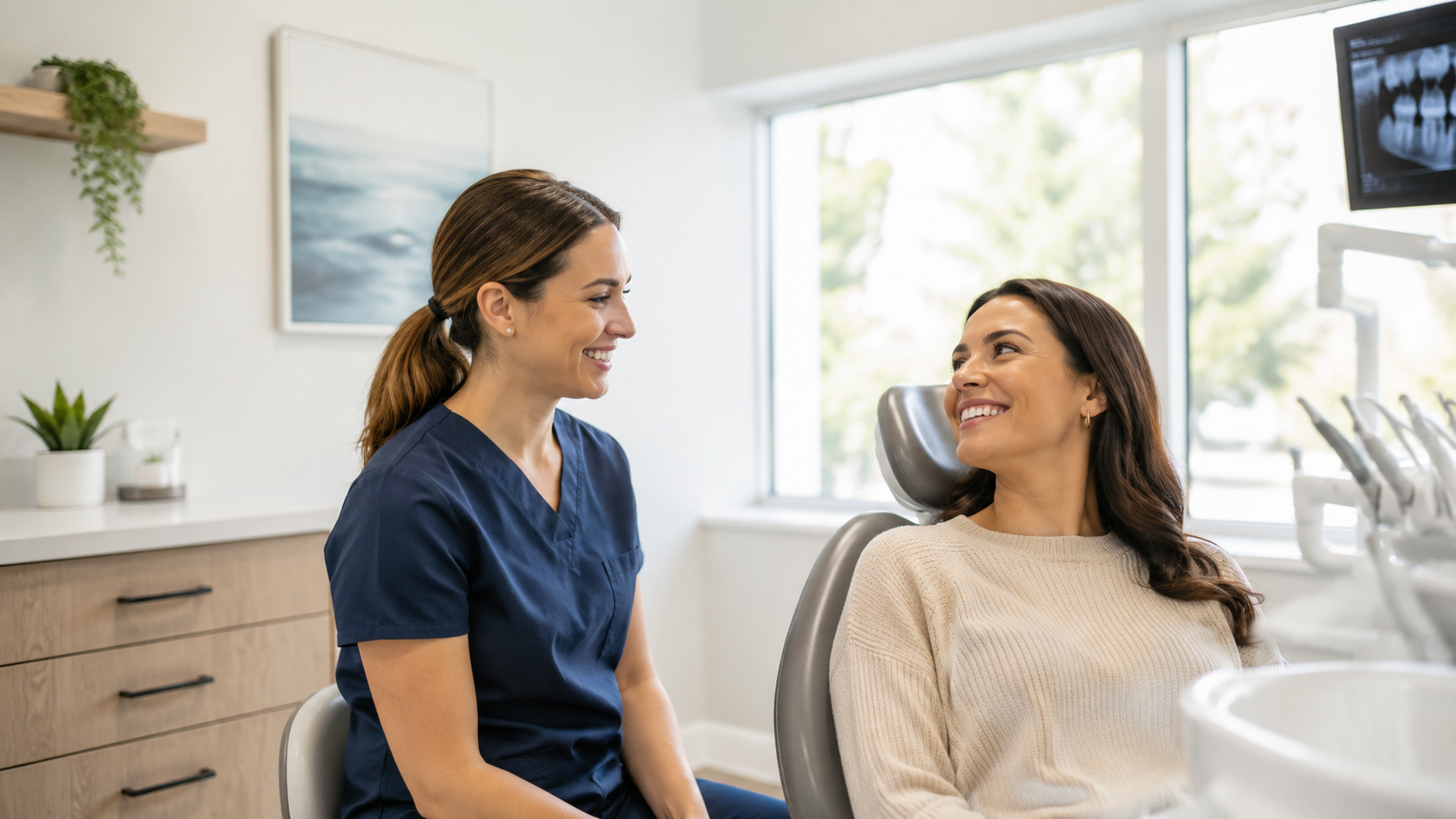
Invisalign cost in Portland, OR commonly falls within a broad range because every smile is different. In many dental markets, clear aligner treatment may cost several thousand dollars, often similar to or slightly different from the cost of traditional braces. Mild cases may be on the lower end, while more complex tooth movement or longer treatment plans can cost more.
Patients should be cautious with any advertised price that seems unusually low. A low starting price may apply only to very minor cases, may not include retainers, or may exclude follow-up care. A complete Invisalign estimate should explain what is included, what could change, and whether additional services may be needed before or during treatment.
The best way to understand the actual cost is to schedule an Invisalign consultation. During that visit, the dental team can evaluate the bite, spacing, crowding, gum health, and overall oral health. From there, they can create a personalized treatment plan and provide a more accurate fee estimate.
Why Invisalign Pricing Varies from Patient to Patient
Two people can both want straighter teeth, but their treatment needs may be completely different. One person may only need small front-tooth adjustments, while another may need bite correction, rotation of several teeth, or movement across both arches. These differences affect time, materials, appointments, and planning.
Case Complexity
Mild crowding or small gaps may require fewer aligners and a shorter treatment timeline. More involved cases may need a longer series of aligners, additional planning, and more monitoring. Teeth that are rotated, tipped, or crowded can require more precise movement, which may increase the overall cost.
Treatment Length
In general, longer treatment requires more aligners and more check-ins. Some patients complete treatment in several months, while others need a year or more. Treatment length depends on how far teeth need to move and how consistently the patient wears the aligners.
One Arch vs. Both Arches
Some patients ask whether they can treat only the upper or lower teeth. In certain minor cosmetic cases, this may be possible. However, many patients need both arches treated so the bite comes together properly. Treating both arches can increase the cost, but it may also help create a more stable and balanced result.
Refinements and Additional Aligners
Sometimes teeth do not move exactly as predicted. Refinements are additional aligners used to fine-tune the result near the end of treatment. Some Invisalign plans include refinements, while others may have limits. Patients should ask whether refinements are included in the quoted price.
Retainers After Treatment
After Invisalign, retainers are usually needed to help keep the teeth in their new position. Without retainers, teeth can gradually shift back. Some offices include retainers in the total treatment fee, while others list them separately. This is an important question to ask before starting treatment.
What May Be Included in an Invisalign Quote?
A clear, patient-friendly estimate should show what the fee covers. While every dental office structures treatment a little differently, an Invisalign quote may include several parts of care.
- Initial consultation or orthodontic evaluation
- Digital scans or impressions
- Customized treatment planning
- Invisalign aligner trays
- Progress visits or virtual monitoring, depending on the office
- Attachments or small tooth-colored buttons used to guide movement
- Refinement aligners, if included in the plan
- Final retainers, if included in the plan
Patients should also ask about services that may not be included. For example, cavities, gum disease, old dental work, or tooth extractions may need to be addressed before aligner treatment can begin. Those services would typically be billed separately.
Does Dental Insurance Cover Invisalign?
Some dental insurance plans include orthodontic benefits that may help pay for Invisalign. Others cover braces but not clear aligners, while some do not include adult orthodontic coverage at all. Coverage can vary widely, so patients should review their plan carefully.
Common insurance details to check include:
- Whether orthodontic treatment is covered for adults
- Whether Invisalign or clear aligners are included
- The lifetime orthodontic maximum
- Any waiting periods
- Age limits or plan restrictions
- Whether preauthorization is required
A dental office can often help estimate benefits, but the insurance company makes the final coverage determination. Patients should remember that an estimate of benefits is not a guarantee of payment.
Can FSA or HSA Funds Be Used for Invisalign?
Many patients use a Flexible Spending Account (FSA) or Health Savings Account (HSA) to help pay for orthodontic treatment, including Invisalign, when the treatment qualifies as a medical or dental expense. These accounts can be helpful because they use pre-tax dollars.
Rules can vary, and patients should confirm eligibility with their plan administrator or tax advisor. If FSA funds expire at the end of the plan year, timing treatment around available funds may be worth discussing during the consultation.
Payment Options That Can Make Invisalign More Manageable
Because Invisalign is an investment, many dental offices offer ways to spread out the cost. Patients should not feel uncomfortable asking about payment options. A good dental team expects these questions and can explain choices clearly.
Possible options may include:
- Monthly payment plans
- Third-party healthcare financing
- Using dental insurance benefits
- Combining insurance with FSA or HSA funds
- Pay-in-full options, when available
The right option depends on the patient’s budget, insurance, treatment needs, and comfort level. Before beginning treatment, patients should understand the total cost, payment schedule, refund policies, and what happens if treatment takes longer than expected.
Is Invisalign Worth the Cost?
For many patients, Invisalign is worth considering because it offers a more discreet and flexible way to straighten teeth. The aligners are clear, removable, and custom-made. Patients can take them out for meals, brushing, and flossing, which can make daily life feel easier compared with brackets and wires.
That said, Invisalign works best when patients wear the aligners as directed, often around 20 to 22 hours per day. The aligners only move teeth when they are in the mouth. Someone who frequently forgets to wear them may experience delays or less predictable results.
Invisalign may be especially appealing for adults, college students, professionals, and anyone who wants a lower-profile orthodontic option. However, it is not the right solution for every bite problem. Some complex cases may require braces or a different orthodontic approach.
Invisalign vs. Mail-Order Aligners: Why Supervision Matters
Patients may see lower-cost aligner options advertised online. While these can seem tempting, it is important to understand the difference between supervised dental treatment and remote aligner programs.
Invisalign treatment through a dentist or orthodontic provider includes an evaluation of the teeth, gums, bite, jaw function, and oral health. This matters because moving teeth when there is untreated gum disease, bone loss, cavities, or bite instability can create problems.
In-person or professionally monitored care also gives patients a place to turn if aligners do not fit, teeth are not tracking, discomfort seems unusual, or refinements are needed. For many patients, that guidance is a major part of the value.
How to Prepare for an Invisalign Consultation in Portland
A consultation is the best time to get specific answers. Patients can make the most of the visit by bringing insurance information, a list of questions, and any concerns about their smile or bite.
Helpful questions to ask include:
- Is Invisalign a good option for this case?
- How long is treatment expected to take?
- What is included in the total fee?
- Are refinements included?
- Are retainers included after treatment?
- How often are check-ins needed?
- What payment or financing options are available?
- What happens if teeth do not move as planned?
Patients should also mention any history of gum disease, jaw pain, clenching, grinding, dental restorations, or previous orthodontic treatment. These details can affect the treatment plan.
What Happens During Invisalign Treatment?
After a patient is approved for Invisalign, the dental team usually takes digital scans or impressions and creates a customized treatment plan. The aligners are then fabricated to gradually move the teeth in planned stages.
Patients typically wear each set of aligners for a specified amount of time before switching to the next set. The dentist will provide instructions for wear time, cleaning, eating, and storing the aligners safely.
Regular check-ins help confirm that teeth are moving as expected. If the aligners stop fitting well or a patient loses a tray, the dental office should be contacted promptly. Small issues are often easier to manage when addressed early.
How to Protect the Investment After Invisalign
The final aligner is not the end of the journey. Retainers are essential for maintaining the result. Teeth naturally tend to shift over time, especially after orthodontic treatment. Wearing retainers as recommended helps protect the time and money invested in Invisalign.
Patients can also support long-term results by keeping up with preventive dental visits, brushing and flossing daily, and addressing nighttime grinding if it is present. A healthy mouth helps create a more stable foundation for a straighter smile.
FAQ About Invisalign Cost in Portland, OR
How much does Invisalign cost in Portland, OR?
The cost varies based on case complexity, treatment length, aligner needs, insurance coverage, and what is included in the treatment fee. A consultation is the only way to receive a personalized estimate.
Is Invisalign more expensive than braces?
In many cases, Invisalign and traditional braces are in a similar price range, but this depends on the patient’s needs and the provider’s treatment plan. Some simple aligner cases may cost less, while complex cases may cost more.
Will insurance pay for Invisalign?
Some dental insurance plans include orthodontic benefits that may apply to Invisalign. Coverage depends on the plan, age limits, lifetime maximums, and whether clear aligners are included. Patients should verify benefits before starting treatment.
Can monthly payments be used for Invisalign?
Many dental offices offer payment options or third-party financing to help patients manage Invisalign cost over time. Availability, terms, and approval requirements vary, so patients should ask during the consultation.
Are retainers included in Invisalign cost?
Sometimes retainers are included, and sometimes they are billed separately. Patients should ask whether the quoted fee includes retainers, replacement retainers, and any follow-up visits after treatment.
Can Invisalign fix every orthodontic problem?
No. Invisalign can treat many mild to moderate alignment concerns and some more involved cases, but not every bite problem is ideal for clear aligners. A dentist or orthodontic provider can explain whether Invisalign is appropriate.
What happens if Invisalign treatment takes longer than expected?
Treatment can take longer if teeth move more slowly than planned, aligners are not worn enough, trays are lost, or refinements are needed. Patients should ask ahead of time how extended treatment or refinements are handled financially.
A Straighter Smile Starts With a Personalized Estimate
Invisalign cost in Portland, OR depends on more than a single advertised number. The most accurate estimate comes from a personalized evaluation that considers tooth movement, bite health, treatment time, insurance, and long-term retention.
For patients who want a discreet, removable, and modern approach to straightening teeth, Invisalign may be a comfortable option worth exploring. The team at East Burn Dentistry & Implants can answer questions, review treatment possibilities, and help patients understand the next steps with clarity and care.
If Invisalign has been on someone’s mind, scheduling a consultation is a helpful first step. A conversation with a dental professional can make the cost, timeline, and treatment process feel much easier to understand.