
Snoring may seem like a small annoyance, but for some patients it can be a sign of something more serious: sleep apnea. When breathing repeatedly pauses or becomes shallow during sleep, the body may not get the steady oxygen it needs. Over time, that can affect energy, mood, concentration, and overall health.
For people searching for sleep apnea treatment Portland OR, it can be reassuring to know that help may involve more than one type of provider. Physicians, sleep specialists, and dentists can all play important roles. In many cases, a dentist trained in dental sleep medicine can help with comfortable, custom oral appliance options designed to support better airflow during sleep.
Important note: Sleep apnea is a medical condition that requires proper diagnosis, usually through a sleep study ordered or reviewed by a medical provider. This article is for education only and should not replace advice from a physician, dentist, or sleep specialist.
What Is Sleep Apnea?
Sleep apnea is a sleep-related breathing disorder. The most common type is obstructive sleep apnea, often called OSA. It happens when the muscles and soft tissues in the throat relax during sleep and partially or fully block the airway.
When the airway narrows, airflow can drop. The brain senses the problem and briefly wakes the body enough to restart normal breathing. These wake-ups may be so short that the patient does not remember them, but they can happen many times in a night. That is why a person can spend eight hours in bed and still wake up exhausted.
Another type, central sleep apnea, involves the brain’s breathing signals rather than a physical airway blockage. Because the types of sleep apnea are different, proper diagnosis matters before treatment begins.
Common Signs That May Point to Sleep Apnea
Not everyone with sleep apnea has the same symptoms. Some people mainly notice daytime fatigue. Others hear concerns from a partner or family member who observes loud snoring or pauses in breathing.
Common signs that may suggest sleep apnea include:
- Loud, frequent snoring
- Gasping, choking, or snorting during sleep
- Pauses in breathing noticed by a sleep partner
- Morning headaches
- Dry mouth or sore throat upon waking
- Feeling tired even after a full night of sleep
- Difficulty concentrating during the day
- Irritability or mood changes
- Waking often during the night
These symptoms do not prove that someone has sleep apnea. Other health concerns, medications, stress, nasal congestion, or sleep habits can cause similar problems. A medical evaluation helps identify the real cause and the most appropriate next step.
Why Treating Sleep Apnea Matters
Sleep is when the body repairs, resets, and prepares for the next day. When breathing interruptions keep pulling the body out of deep sleep, the effects can build up.
Untreated sleep apnea may be associated with higher risks for health concerns such as high blood pressure, heart problems, morning headaches, daytime sleepiness, and difficulty staying alert. It can also affect quality of life in practical ways, such as feeling foggy at work, needing extra caffeine to get through the day, or struggling to stay awake while driving.
Treatment is not just about reducing snoring. It is about helping the body breathe more steadily at night so the patient can get more restorative rest.
How Dentists Can Help With Sleep Apnea Treatment
Many patients are surprised to learn that dentists may be involved in sleep apnea care. The connection makes sense: the jaw, tongue, soft palate, bite, and airway are closely related. During a dental exam, a dentist may notice signs that suggest a patient should be evaluated for sleep-disordered breathing, such as tooth wear from grinding, a small airway space, scalloped tongue edges, or reports of chronic snoring.
A dentist does not replace a sleep physician. Instead, dental sleep apnea care often works as part of a team approach. A physician or sleep specialist diagnoses the condition, and a qualified dental provider may help with an oral appliance if it is appropriate for the patient’s needs.
What Is Oral Appliance Therapy?
Oral appliance therapy uses a custom-made dental device worn during sleep. It looks somewhat like a mouthguard or retainer, but it is designed for a different purpose. Many oral appliances gently position the lower jaw forward to help keep the airway more open while the patient sleeps.
For some patients with mild to moderate obstructive sleep apnea, or for patients who cannot tolerate CPAP, an oral appliance may be recommended by a medical provider. It may also help reduce snoring in appropriate cases.
Because the appliance is custom made, it should fit securely and comfortably over the teeth. Over-the-counter snoring devices may seem convenient, but they do not offer the same level of professional fitting, adjustment, or monitoring.
Oral Appliance Therapy vs. CPAP
CPAP, or continuous positive airway pressure, is a common treatment for obstructive sleep apnea. It uses a machine and mask to keep the airway open with a steady stream of air. For many patients, CPAP works very well when used consistently.
However, some patients find CPAP difficult because of mask discomfort, dryness, noise, travel inconvenience, or a feeling of pressure. In those cases, a physician may discuss alternatives, including oral appliance therapy.
Oral appliances are small, quiet, and easy to travel with. They do not require electricity and are often easier for some patients to include in a nightly routine. That said, they are not the right choice for everyone. The best treatment depends on the diagnosis, severity of sleep apnea, oral health, jaw comfort, and medical history.
What to Expect During a Dental Sleep Apnea Consultation
A patient looking for sleep apnea treatment in Portland, OR may start by discussing symptoms with a physician, sleep specialist, or dental office familiar with sleep-related breathing concerns. At a dental consultation, the goal is to understand whether oral appliance therapy may be a safe and appropriate part of care.
The visit may include:
- A review of sleep symptoms and health history
- Questions about snoring, fatigue, morning headaches, and jaw discomfort
- An exam of the teeth, gums, bite, jaw joints, and airway-related anatomy
- A discussion of any previous sleep study results
- Digital impressions or scans if an appliance is recommended
- Follow-up planning to adjust the appliance and monitor comfort
If the patient has not had a sleep study, the dental team may recommend speaking with a medical provider first. A diagnosis helps determine whether the concern is obstructive sleep apnea, another sleep disorder, or something else entirely.
Who May Be a Candidate for an Oral Sleep Apnea Appliance?
Oral appliance therapy may be considered for some patients who have mild to moderate obstructive sleep apnea, snoring related to airway narrowing, or difficulty tolerating CPAP. It may also be used in coordination with other treatments depending on the patient’s situation.
Good candidates generally need enough healthy teeth or dental support to hold the appliance in place. The dentist will also consider gum health, bite alignment, jaw joint health, and whether the patient has significant tooth mobility, dentures, or active dental disease.
Patients with severe sleep apnea may still need CPAP or another medically directed treatment. In some cases, a combination approach may be recommended. This is why coordination between dental and medical providers is so important.
Comfort, Adjustments, and Follow-Up Care
A custom oral appliance should feel snug but not painful. It may take a short adjustment period as the mouth gets used to wearing it at night. Some patients notice extra saliva, mild tooth pressure, or temporary jaw soreness at first. These concerns often improve with professional adjustments and consistent follow-up.
Regular dental visits help make sure the appliance continues to fit well and that the teeth, gums, and bite remain healthy. The provider may also recommend a follow-up sleep test to confirm that treatment is helping as intended. Symptom improvement is encouraging, but objective testing is often the best way to understand how well the airway is being supported.
Healthy Habits That May Support Sleep Apnea Treatment
Treatment works best when patients look at sleep health from more than one angle. Lifestyle changes may not replace medical or dental treatment, but they can support better sleep and breathing for some people.
Helpful habits may include:
- Maintaining a consistent sleep schedule
- Sleeping on the side instead of the back, if recommended
- Limiting alcohol close to bedtime
- Avoiding sedatives unless prescribed and reviewed by a clinician
- Managing nasal congestion or allergies with medical guidance
- Keeping up with routine dental and medical care
Weight, anatomy, medications, and other health conditions can all affect sleep apnea risk and severity. Patients should avoid blaming themselves and instead focus on getting the right support. Sleep apnea is common, treatable, and best managed with a personalized plan.
Cost and Insurance Considerations
The cost of sleep apnea treatment varies based on the type of care, diagnostic needs, appliance design, follow-up visits, and insurance coverage. Medical insurance may cover oral appliance therapy in some cases when sleep apnea has been properly diagnosed, though coverage rules differ by plan.
Patients can make the process smoother by bringing sleep study results, medical insurance information, and any CPAP history to the consultation. A dental office familiar with sleep apnea appliances can often help explain what information may be needed for benefit review or preauthorization.
Because every plan is different, patients should confirm coverage directly with their insurance carrier and ask the dental team for an estimate before treatment begins.
Choosing Sleep Apnea Treatment in Portland, OR
Portland patients have access to a range of sleep health resources, from primary care providers and sleep physicians to dental teams that understand oral appliance therapy. The right place to start depends on the patient’s symptoms and whether a sleep study has already been completed.
When choosing a dental provider for sleep apnea support, patients may want to ask:
- Does the office work with patients who have diagnosed obstructive sleep apnea?
- What type of custom oral appliances are available?
- How are appliances adjusted over time?
- Will the dental team communicate with the patient’s physician or sleep specialist?
- What follow-up care is recommended?
- How does the office help with insurance questions?
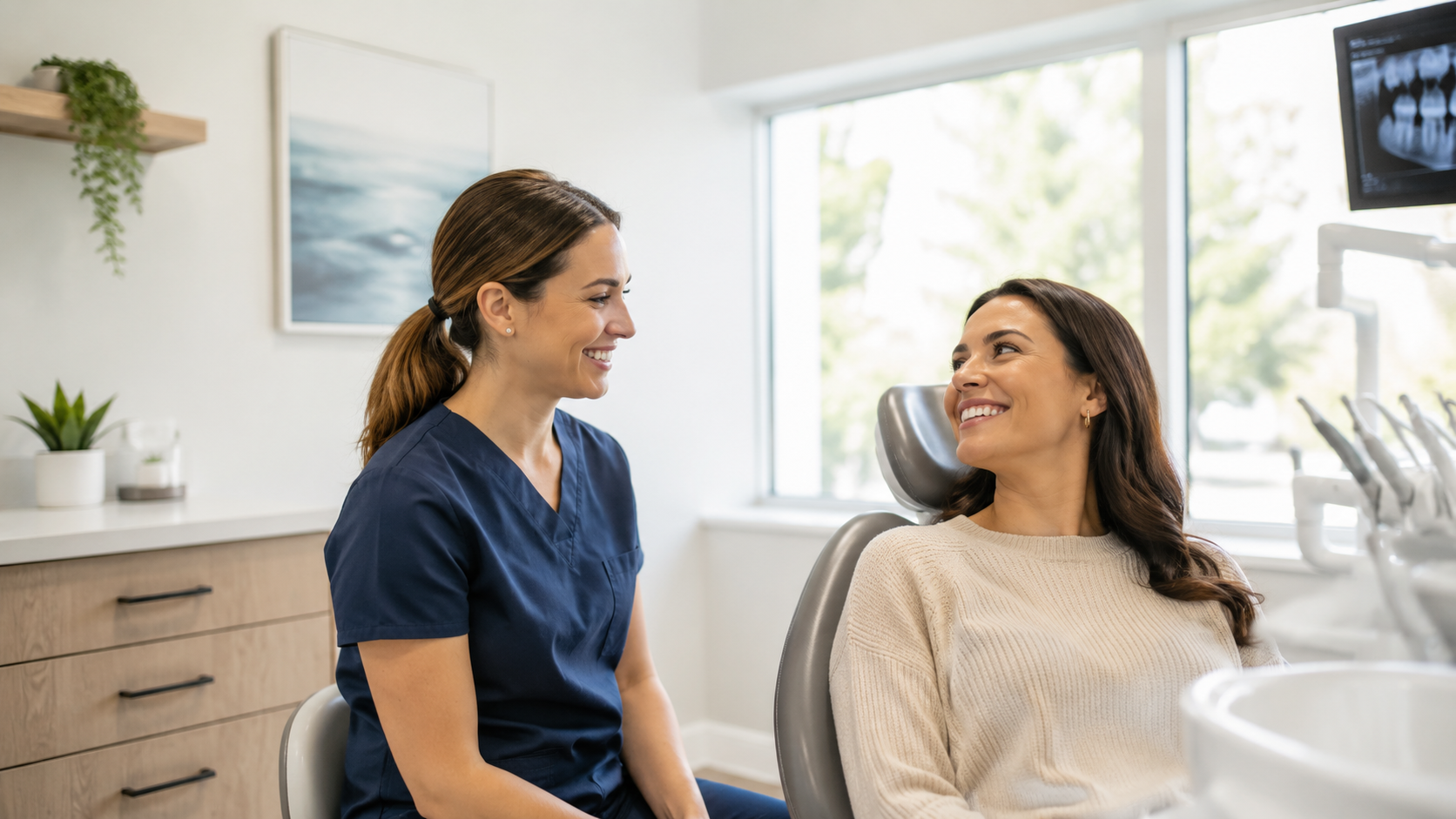
At East Burn Dentistry & Implants, patients can ask questions in a comfortable, judgment-free setting and learn whether a dental evaluation may be a helpful step in their sleep health journey. A thoughtful conversation can clarify symptoms, explain options, and guide patients toward the appropriate medical or dental next step.
Frequently Asked Questions About Sleep Apnea Treatment
Can a dentist diagnose sleep apnea?
A dentist can screen for signs and symptoms that may suggest sleep apnea, but a formal diagnosis typically requires a sleep study reviewed by a medical provider. Dentists can be important partners in care, especially when oral appliance therapy is recommended.
Is an oral appliance the same as a nightguard?
No. A nightguard is usually designed to protect teeth from grinding or clenching. A sleep apnea oral appliance is designed to help position the jaw and support airflow during sleep. The two devices look similar, but they serve different purposes.
Does oral appliance therapy stop snoring?
It may reduce snoring for some patients, especially when snoring is related to airway narrowing. However, snoring can have different causes, and not all snoring is sleep apnea. A professional evaluation helps determine what is behind the noise.
Is CPAP better than an oral appliance?
CPAP is often highly effective, especially for moderate to severe obstructive sleep apnea. Oral appliances may be appropriate for certain patients, including those with mild to moderate OSA or those who cannot tolerate CPAP. The best option depends on the diagnosis and the clinician’s recommendation.
Will an oral appliance hurt my teeth or jaw?
A properly fitted custom appliance should be comfortable, though some patients may experience temporary soreness, tooth pressure, or bite changes. Regular follow-up appointments help monitor comfort and make adjustments as needed.
How long does it take to get used to a sleep apnea appliance?
Many patients adjust over days to a few weeks. The timeline varies based on the appliance design, jaw position, and individual comfort. Patients should report soreness or fit issues so the dental team can fine-tune the appliance.
Do patients still need follow-up after getting an appliance?
Yes. Follow-up is important to check fit, comfort, bite changes, and treatment effectiveness. A medical provider may also recommend repeat sleep testing to confirm that sleep apnea is being managed appropriately.
Restful Sleep Starts With the Right Conversation
Sleep apnea can feel overwhelming, especially when fatigue becomes part of everyday life. The good news is that patients do not have to sort through the options alone. With the right diagnosis and a coordinated care plan, treatment can become much more manageable.
For those exploring sleep apnea treatment in Portland, OR, a dental consultation may help determine whether a custom oral appliance is worth considering. East Burn Dentistry & Implants welcomes patient questions and can help guide the next step with warmth, clarity, and practical support.
If snoring, daytime tiredness, or breathing pauses are becoming a concern, patients are encouraged to speak with a qualified medical or dental professional. A simple conversation may be the first step toward safer sleep and better mornings.