
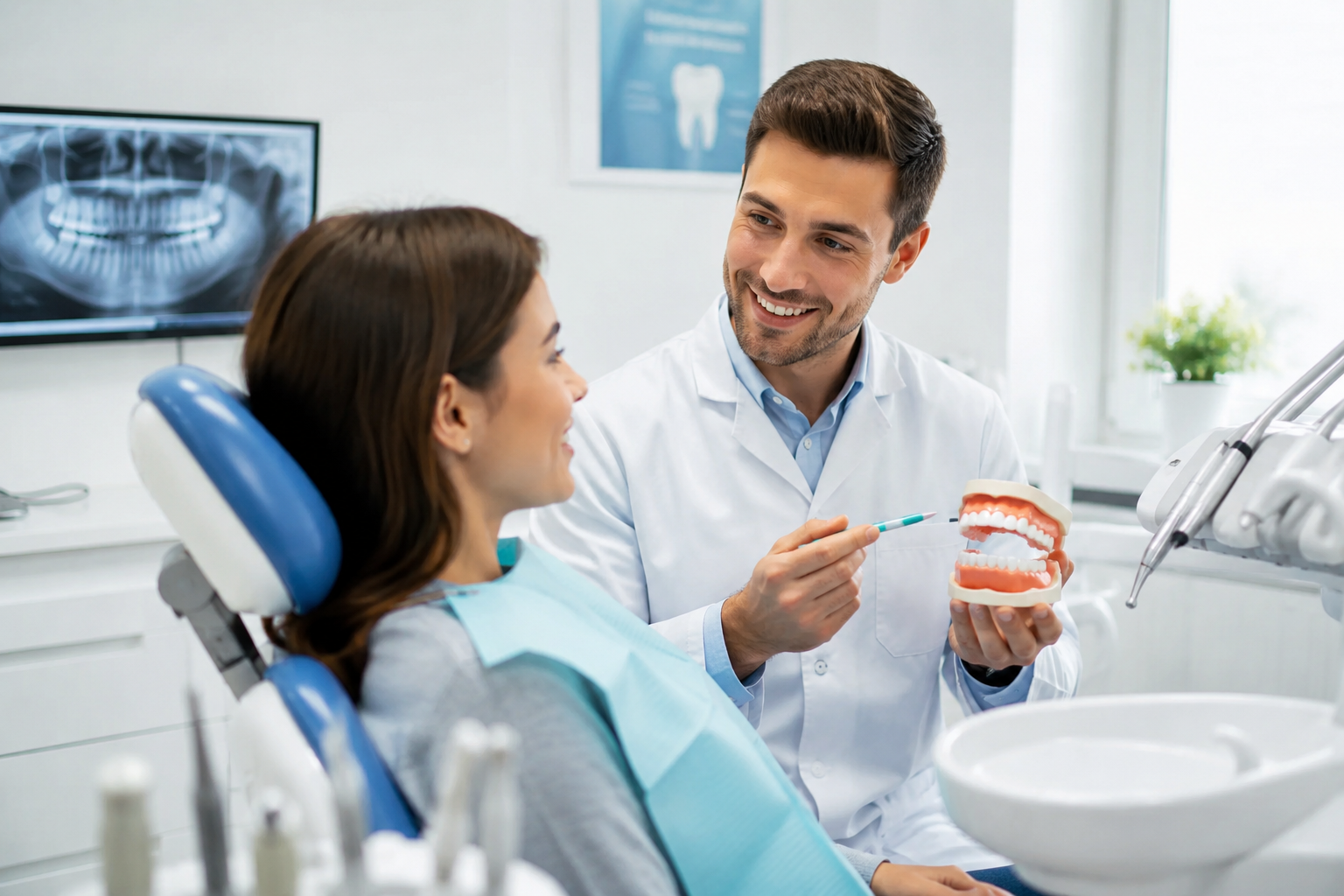
You’ll want immediate, reliable care when a tooth cracks, a filling falls out, or severe pain wakes you at night. An emergency dentist in Portland, OR can provide same-day treatment, pain relief, and guidance to prevent long-term damage. This article shows how to recognize true dental emergencies, what to do on the way to the clinic, and how modern offices use technology to speed diagnosis and comfort.
They explain common urgent treatments—from simple repairs and extractions to root canal therapy—and how to choose a Portland provider who offers evening or weekend hours, sedation options, and clear payment pathways. Expect practical steps to protect a knocked-out tooth, what to pack for your visit, ways to reduce anxiety, and tips for preventing repeat crises so you feel prepared, not panicked.
Recognizing Dental Emergencies
Timely recognition prevents complications and reduces pain. Clear signs include uncontrollable bleeding, severe tooth pain, swelling, loose or knocked-out teeth, and oral infections with fever.
Common Signs and Symptoms
Severe, persistent tooth pain that wakes a person at night often indicates an abscess, deep decay, or pulp inflammation. Pain that radiates to the jaw, ear, or temple and is worsened by biting should be evaluated quickly.
Swelling of the face or gums with tenderness can signal spreading infection; if swelling restricts breathing or swallowing, treat it as life-threatening. Continuous bleeding after dental trauma or extraction that soaks a gauze pad within an hour needs immediate attention.
A tooth knocked out completely requires quick action: keep the tooth moist and reach an emergency dentist within an hour for the best chance of reimplantation. Chips and cracks that expose the tooth’s inner layers cause sensitivity and increase infection risk.
Loose teeth in adults—without obvious trauma—may indicate advanced periodontal disease or infection. Fever accompanying oral symptoms strongly suggests systemic infection and warrants prompt care.
When to Seek Immediate Care
Seek same-day care for uncontrollable bleeding, swelling that affects breathing, severe uncontrolled pain, or a knocked-out tooth. These conditions can lead to permanent damage or systemic infection if delayed.
If an abscess forms with fever, malaise, or red streaks on the skin, it requires urgent treatment and usually antibiotics plus drainage. Trauma from accidents that pierce soft tissue or fracture the jaw should be evaluated in an emergency clinic or hospital.
Persistent severe pain after a recent dental procedure, such as root canal or extraction, may indicate complications needing immediate review. Rapid referral to an oral surgeon or hospital may occur when airway compromise or severe facial fractures appear.
Situations That Can Wait
Mild toothaches that respond to over-the-counter pain relievers and improve within 48–72 hours can often wait for a next-day or routine appointment. Slight chips or superficial enamel fractures without pain or sharp edges usually do not need emergency care.
A lost filling or crown that doesn’t cause severe pain can be temporarily managed with dental cement from a pharmacy and scheduled with the dentist within a few days. Minor gum irritation from braces or a poking wire is usually managed at the next office visit unless bleeding or severe pain develops.
Persistent sensitivity to hot or cold without swelling or fever suggests enamel wear or early decay and can be addressed during regular hours. For any doubt, calling the dentist’s emergency line helps determine whether immediate evaluation is necessary.
What To Do Before You Arrive
These steps focus on controlling pain, protecting any displaced tooth structure, and stabilizing damaged restorations so treatment goes smoothly when they reach the office.
Managing Pain At Home
If pain is present, they should take over-the-counter ibuprofen (200–400 mg every 4–6 hours, not exceeding 1,200 mg/day without physician approval) or acetaminophen (325–650 mg every 4–6 hours, max 3,000–4,000 mg/day depending on product). Avoid aspirin for severe dental pain in children and consult a provider for dosing in adults with medical conditions.
They should rinse gently with warm salt water (½ teaspoon salt in 8 oz/240 mL warm water) to reduce inflammation and clean the area. Applying a cold pack to the cheek for 10–15 minutes can reduce swelling and numb pain; do not place ice directly on skin.
If a local anesthetic is prescribed previously, they should not self-administer. Avoid chewing on the injured side and skip hot or very cold foods that trigger sensitivity. Bring a list of current medications and allergies to help the dentist choose safe pain control.
Preserving Knocked-Out Teeth
Time matters: they should aim to see the dentist within 30–60 minutes for the best chance of saving the tooth. Handle the tooth only by the crown (the chewing surface); avoid touching the root to prevent damage to periodontal cells.
If dirty, gently rinse the tooth with saline or milk for no more than 10 seconds; do not scrub, scrape, or use soap. If possible, reinsert the tooth into its socket and hold it in place with clean gauze or a soft cloth. If reinsertion isn’t possible, transport the tooth in cold milk or Hank’s Balanced Salt Solution, or keep it in the patient’s mouth between cheek and gum (only if conscious and able to safely do so).
Bring the tooth in a labeled container and any broken fragments. Inform the clinic of the incident so they can prepare splints, X‑rays, and possible root canal therapy.
Responding To Broken Fillings or Crowns
If a filling or crown dislodges, they should save the restoration and bring it to the appointment in a sealed container. Rinsing the tooth with warm water and gently flossing can remove trapped debris; avoid forceful probing that may damage remaining tooth structure.
To protect the exposed tooth, they can apply dental cement from a pharmacy kit following package directions or use sugar-free gum as a temporary plug (do not use gum if the tooth has sharp edges that could cut the cheek). If the tooth is painful, use the analgesic and cold-pack steps above and avoid sticky, hard, or very hot foods.
They should note when the restoration came out, any pain, and whether the bite feels uneven; documenting these details helps the dentist select the right repair or replacement and decide if same‑day treatment is needed.
Types of Urgent Dental Treatments
Most urgent dental care focuses on relieving pain quickly, stopping infection, and preserving the tooth when possible. Common options include short-term pain control, immediate infection management, and procedures that remove diseased tissue while saving the tooth.
Toothache Relief Options
Toothaches often come from pulp inflammation, cracked teeth, or trapped food. Clinicians first perform a quick exam and X-ray if available to pinpoint the cause and rule out referred pain from sinus or jaw problems.
Immediate measures include targeted local anesthesia to stop severe pain and temporary restorations to seal cracks or exposed dentin. Dentists may place medicated dressings or prescribe short courses of NSAIDs or acetaminophen for pain control; opioids are rarely used and only for severe, short-term relief.
If the cause is a loose filling or broken tooth, they might bond a temporary composite or apply crown cement to stabilize the tooth until a permanent restoration. When swelling or systemic signs appear, antibiotics may be started alongside drainage or definitive treatment.
Emergency Root Canal Therapy
When the dental pulp is irreversibly inflamed or infected, emergency root canal therapy (endodontic treatment) removes the diseased tissue and relieves pain. The dentist isolates the tooth with a rubber dam, creates an access opening, cleans canals with files and irrigants, and places medicated root canal filling materials.
Treatment can be completed in one visit for many anterior teeth; molars often need two visits due to complex canal anatomy. After root canal therapy, the tooth typically requires a permanent filling or crown to restore strength and prevent reinfection.
Endodontic retreatment or referral to a specialist (endodontist) occurs when canals are calcified, curved, or previously treated and symptomatic. The primary goal remains pain relief, infection control, and preserving the natural tooth whenever feasible.
Treating Dental Abscesses
A dental abscess requires prompt action to control infection and prevent spread. Clinicians assess swelling, fever, lymph node involvement, and airway risk; severe cases with facial swelling or breathing difficulty need immediate referral to emergency medical services.
Treatment options include incision and drainage for localized fluctuant abscesses, extraction of a nonrestorable tooth, or root canal therapy to remove the infection source. Dentists commonly prescribe antibiotics (amoxicillin or clindamycin when allergic) while arranging definitive dental treatment.
Follow-up care emphasizes monitoring for systemic signs, wound care, and completing restorative work. Patients receive specific aftercare instructions on oral hygiene, pain control, and when to return if symptoms worsen.
Choosing an Emergency Dentist in Portland OR
Patients should prioritize clinics that combine fast access, clear communication, and proven clinical skills. Cost transparency, after-hours availability, and a calm treatment environment help reduce stress during an emergency.
Qualities of a Great Emergency Dental Clinic
Look for clinics with extended hours or same-day appointments and a published emergency policy. Clinics that list weekend or late-evening slots—like open until 8 pm on weekdays or Saturday hours—will reduce wait time and travel stress.
Confirm that the clinic has an on-site X-ray machine and digital imaging for quick diagnosis. A dentist experienced in extractions, root canal therapy, and soft-tissue repair is essential; verify credentials and years of emergency care listed on the clinic website.
Prioritize practices that accept major insurance, offer clear self-pay pricing, and provide payment plans. Patient comfort features—nitrous oxide, local anesthesia options, and a private consultation area—improve the experience during urgent procedures.
Check patient reviews for punctuality, staff friendliness, and follow-up care. Clinics that describe post-treatment instructions and same-week check-ups demonstrate good continuity of care.
What to Expect During Your Visit
On arrival, the front-desk staff will confirm insurance and collect a brief medical history. Expect an intake that asks about pain onset, trauma details, and any medications; this speeds triage and reduces diagnostic delays.
The dentist will perform a focused exam and take digital X-rays if indicated. They typically prioritize pain control first—local anesthesia or short-acting analgesics—so the patient feels comfortable before definitive treatment.
Treatment may be temporary or complete depending on the situation: a temporary filling or sedative dressing for a fractured tooth, extraction for a non-restorable tooth, or same-visit root canal for an infected tooth. The dentist will explain options, risks, and expected recovery in plain language.
Before discharge, patients receive written aftercare instructions and prescriptions if needed. Clinics often schedule a follow-up within 3–7 days to reassess healing and arrange definitive restorative work.
Modern Technology for Emergency Dental Care
This section highlights key tools that speed diagnosis, reduce radiation, and make urgent treatments more comfortable and predictable. It emphasizes digital imaging for fast decisions and procedural tech that lowers pain and recovery time.
Digital X-Rays and Diagnostics
Digital X-rays capture high-resolution images within seconds and display them on-screen for immediate review. They use up to 90% less radiation than traditional film, which matters for patients needing multiple images during an emergency visit.
Advanced software allows dentists to zoom, measure, and compare images to prior records instantly. This helps identify fractures, root issues, abscesses, and foreign objects with greater precision. Intraoral cameras and chairside monitors let the patient see the problem, improving consent and understanding.
Some Portland practices integrate cone-beam CT (CBCT) for complex trauma or implant planning. CBCT provides 3D views of bone and tooth roots, guiding surgical decisions while keeping exposure protocols strict. Electronic health records then store images and treatment notes for quick follow-up and referrals.
Comfort-Focused Procedures
Dentists combine local anesthetics with modern delivery systems to minimize injection discomfort. Computer-controlled local anesthesia devices provide a steady flow that patients often describe as less painful than standard syringes.
For pain management during procedures, many clinics offer nitrous oxide and oral or IV sedation administered by trained staff. These options reduce anxiety and allow more efficient treatment of severe infections or traumatic repairs in one visit.
Laser dentistry can reduce bleeding and swelling for soft-tissue emergencies and speed healing. High-speed digital handpieces and sterilized, ergonomically designed instruments shorten procedure time and improve precision, which lowers postoperative pain and complications.
Patients with dental trauma often receive same-day crowns or bonded restorations using CAD/CAM milling in-office. This technology produces durable restorations during a single appointment, cutting the need for temporary crowns and additional visits.
Preventing Future Dental Emergencies
Simple daily choices and protective gear reduce the risk of sudden pain, broken teeth, and lost restorations. Focused oral care and the right custom appliance cut injury and decay risks, keeping patients out of the emergency chair.
Daily Habits For Strong Teeth
They should brush twice daily with a soft-bristled brush and a fluoride toothpaste for two minutes each time. Brushing removes plaque; fluoride strengthens enamel and helps prevent cavities that can turn into painful infections.
Flossing once a day removes food and bacteria between teeth where brushes can’t reach. Interdental brushes or a water flosser help people with wider spaces, bridges, or braces.
Limit acidic and sugary drinks — soda, fruit juice, and sports drinks — and rinse with water after consuming them. Chewing sugar-free gum with xylitol for 10–20 minutes after meals stimulates saliva, which neutralizes acids and aids remineralization.
Keep regular dental checkups every six months or as the dentist recommends. Professional cleanings remove hardened tartar and let the dentist catch small problems — cracked cusps, failing fillings, early decay — before they become emergencies.
Custom Mouthguards for Oral Protection
Athletes and nighttime grinders benefit from custom-fit mouthguards made by a dentist. Unlike boil-and-bite or store-bought options, custom guards are molded to the patient’s teeth and bite, offering better fit, comfort, and protection.
For contact sports, a properly fitted guard absorbs and distributes impact forces, reducing the chance of chipped, broken, or avulsed teeth. Dentists can advise on materials and thickness based on the sport and level of play.
Patients who grind or clench at night (bruxism) get a nightguard to protect enamel and dental work from wear and fracture. Custom nightguards also help reduce jaw muscle strain and can improve symptoms of TMJ-related pain.
Care for any guard by rinsing after use, storing in a ventilated case, and cleaning weekly with mild soap or a denture cleaner. Replace the guard when it shows wear, stops fitting snugly, or after dental work that changes the bite.
Restoring Your Smile After Treatment
After emergency care, patients often need targeted repairs and a clear plan for follow-up to restore function and appearance. Treatment typically progresses from temporary stabilization to definitive restorations and routine monitoring to prevent repeat problems.
Options for Tooth Repair
Dentists assess damage type, tooth location, and bite before recommending repairs. For minor chips or cracks, bonding with tooth-colored composite restores shape in a single visit and preserves enamel. Larger fractures or weakened teeth may need crowns; a lab-made crown covers the tooth, restores chewing strength, and lasts 10–15 years with good care.
When the pulp is injured or infected, root canal therapy removes diseased tissue, then the tooth is rebuilt with a post and crown to prevent fracture. For teeth that cannot be saved, extraction followed by implant placement recreates a natural-feeling tooth; implants require healing time and precise planning. Dentists often present two or three options with cost estimates, timelines, and warranty details so patients can choose based on budget and lifestyle.
Long-Term Follow-Up Care
Post-repair follow-up reduces complications and extends restoration life. Patients should schedule a check at 1–2 weeks after definitive work to evaluate bite, fit, and healing, then return every 3–6 months for professional cleaning if periodontal concerns exist, or every 6–12 months for routine exams.
Home care instructions include using a soft-bristled brush, fluoride toothpaste, and flossing daily; avoid hard foods for two weeks after crowns or bonding. If sensitivity, swelling, or a loose restoration appears, contact the clinic promptly to prevent further damage. Dentists may record images and bite scans to monitor wear and plan future maintenance like nightguards or replacement restorations.
Supporting Nervous Patients
Dental teams in Portland understand that fear and anxiety are common. They greet patients calmly, explain each step, and invite questions to build trust before treatment begins.
Clinics often offer sedation options ranging from nitrous oxide to oral or IV sedation. Staff describe these choices plainly, including what to expect during recovery and any follow-up instructions.
Practices use short relaxation techniques in the office to help ease immediate nerves. Simple breathing exercises and headphones with music or guided meditations reduce tension for many patients.
Clear communication about pain control reassures nervous patients. Dentists review local anesthetic use, show the tools they will use, and confirm comfort throughout the procedure.
Some offices provide a written checklist so patients can prepare mentally and practically. The checklist typically includes arrival time, medication guidance, and what to bring.
A quick comparison helps patients choose comfort options:
| Comfort Option | When it helps | Notes |
|---|---|---|
| Nitrous oxide | Mild–moderate anxiety | Wears off quickly; patient remains awake |
| Oral sedative | Moderate anxiety | Requires planning; someone must drive |
| IV sedation | Severe anxiety or complex care | Deeper sedation; monitoring needed |
Staff encourage patients to share past dental experiences and current fears. This allows providers to tailor support and make emergency visits as gentle and predictable as possible.
They end with an invitation to ask about comfort measures when scheduling. Patients who voice concerns often find procedures much less stressful.
When to Consider Tele-Dentistry
Tele-dentistry can help when a patient needs quick guidance for a dental issue but cannot reach a clinic right away. It works well for assessing pain, swelling, or minor injuries through video or photos.
If a patient has sudden tooth sensitivity after a filling or crown, a remote consult can determine if an urgent in-person visit is needed. It also helps triage suspected infections by checking symptoms like fever, spreading swelling, or difficulty swallowing.
For lost crowns, loose fillings, or broken temporary restorations, tele-dentistry offers immediate next steps and short-term solutions to reduce discomfort. Dentists can advise on safe home care, recommend pain relief, and schedule timely office treatment.
Patients with dental anxiety benefit from an initial virtual visit to meet the dentist and discuss concerns before an in-office procedure. This builds trust and often shortens the first office appointment.
Use tele-dentistry for prescription needs when appropriate, such as short courses of antibiotics or pain medicine after evaluating symptoms. It cannot replace hands-on treatment for severe trauma, deep infections, or procedures requiring imaging and operative care.
Contacting a local Portland emergency dental practice for a tele-dentistry appointment provides fast, expert direction and clarifies whether immediate in-person care is necessary.
Frequently Asked Questions
This section answers common urgent dental concerns residents of Portland face, including which problems need immediate attention, safe first-aid steps, and practical options for care without insurance. It also explains when to choose the emergency room and how to protect a broken tooth or lost filling until a dentist treats it.
What counts as a true dental emergency versus something that can wait until tomorrow?
True dental emergencies include uncontrolled bleeding, swelling that affects breathing or swallowing, a knocked-out permanent tooth, severe trauma to the jaw, and intense pain that prevents normal activity.
Issues that can usually wait a day or two include mild toothache, a small chip without pain, or a lost temporary filling that does not expose the nerve.
I have severe tooth pain right now—what should I do first before I’m seen?
They should rinse with warm salt water to clean the area and gently remove food debris.
Over-the-counter ibuprofen or acetaminophen helps reduce pain and inflammation; follow dosing instructions.
Avoid placing aspirin directly on the gum or tooth, and call the dental office immediately to describe symptoms and get prioritized care.
Do you offer same-day or after-hours appointments for urgent dental problems?
Many Portland dental clinics reserve slots for same-day urgent visits and keep an on-call dentist for after-hours triage.
Patients should call their regular clinic first; if unavailable, search for “emergency dentist Portland OR” or check local clinic websites for clear after-hours instructions.
Can the emergency room help with tooth pain, and when should I go there instead of a dentist?
The ER can provide pain control and antibiotics for infections but usually cannot perform definitive dental treatments like root canals or extractions.
Go to the ER if there is facial swelling that restricts breathing or swallowing, high fever with spreading infection, or severe trauma to the face or jaw.
For most toothaches, contacting a dental office first yields faster, tooth-saving care.
What are my options if I need urgent dental care but don’t have insurance or can’t pay upfront?
Many clinics in Portland offer sliding-scale fees, payment plans, or accept CareCredit and similar financing for urgent care.
Community health centers and dental schools provide lower-cost emergency treatment; call ahead to confirm availability and required documentation.
Some offices will stabilize the problem (pain control or extraction) and arrange follow-up care once funds are available.
How do I know if a broken tooth or lost filling needs immediate treatment to prevent more damage?
If the break exposes the tooth’s inner layer (dentine or nerve), causes severe pain, or leaves jagged edges that cut the tongue, immediate treatment is needed.
If the tooth is only cosmetically chipped, pain-free, and the edges are smooth, it can often wait until the next available appointment.
Keep the area clean, use dental wax or sugar-free gum to cover sharp edges temporarily, and see a dentist promptly to prevent decay or further fracture.